
Table of Contents
Beyond being decorative accents, throw pillows are transformative design tools that can completely change how your sofa looks and feels. The right pillows add comfort, express your personality, and tie your entire living space together.
AiMEiRi draws inspiration from Japanese and East-Asian design philosophy, where every element serves a purpose and beauty emerges from thoughtful restraint. This approach transforms pillow selection from guesswork into an intentional practice that creates harmony in your home.
Refreshing a tired sofa? Building a room from scratch? These five principles will guide you toward choices that feel both personal and timeless. Let’s explore how to select pillows that turn your sofa into a sanctuary.
1. Match Your Sofa’s Style
Start by identifying your sofa’s style: modern, traditional, or transitional. This foundation determines which pillow designs will enhance rather than compete with your existing furniture.
Modern sofas have clean lines and minimal details. Their sleek aesthetic calls for throw pillows in muted tones—soft greys, warm beiges, or subtle pastels—that embrace ma (negative space), a core principle in Japanese design that celebrates emptiness as essential to beauty. Geometric patterns work well here, as do solid colors with interesting textures like linen weaves or subtle quilting. The goal is enhancement without clutter.
Traditional sofas feature rich fabrics and ornate details like tufting, carved wood, or rolled arms. Choose velvet or embroidered pillows with classic patterns such as damask, paisley, or florals. Balance this opulence with wabi-sabi—the Japanese appreciation for imperfection and natural beauty—by incorporating organic textures, hand-dyed fabrics, or pieces in understated earth tones. This prevents the space from feeling overly formal or fussy.
Transitional sofas blend both worlds with their versatile, timeless appeal. Here you have the most freedom to experiment. Mix textures and patterns freely, drawing on the Japanese concept of kanso (simplicity) to maintain visual clarity even when layering different elements. A structured linen pillow can sit beside a patterned velvet one, united by a thoughtful color palette.
2. Build Your Color Palette
Analyze your sofa’s dominant colors. Are they warm or cool? Understanding your existing palette is crucial before introducing new elements.
Neutrals like grey, white, and beige create a versatile foundation that works with nearly any accent color. They also embody the Japanese aesthetic of restraint, allowing bolder elements to truly shine when introduced thoughtfully.
For contrast, add a bold accent color—red works beautifully as a focal point, echoing the vibrant accents found in traditional Japanese interiors where a single red cushion or lacquered element commands attention. Apply the 70-20-10 rule common in East-Asian design: 70% neutral base (your sofa and foundation pillows), 20% secondary color (complementary accent pillows), 10% bold accent (one or two statement pieces).
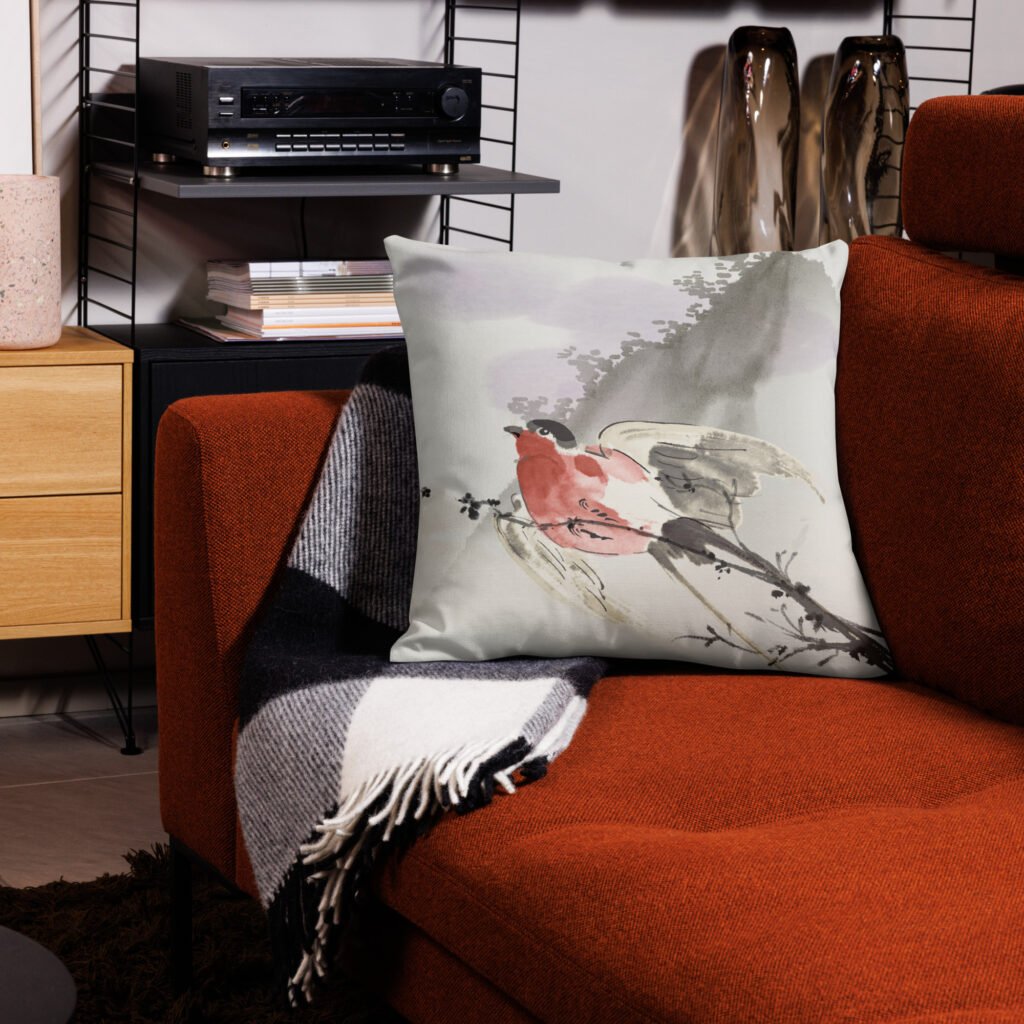
For cohesion, choose solid throw pillows that echo your sofa’s existing hues. This creates a monochromatic or tonal scheme that feels sophisticated and calming. Layer light and dark versions of the same color to add depth without chaos—think charcoal grey with soft dove grey, or navy with powder blue.
Consider the emotional impact of your choices. Cool blues and greens create serenity, while warm terracottas and golds invite energy. East-Asian design recognizes that color affects mood, so choose intentionally based on how you want your space to feel.
AiMEiRi’s premium throw pillows embrace these principles, offering both striking focal pieces in jewel tones and harmonious supporting designs in natural, subdued hues.
3. Mix Patterns with Purpose
Pattern mixing adds visual interest when done intentionally. The key is creating dialogue between patterns rather than competition.
Start with a unifying color palette. Choose patterns that share at least one common color. This allows geometric patterns to coexist with florals or stripes without clashing—a technique rooted in the Japanese aesthetic of chowa (harmony and balance). For example, a navy geometric throw pillow pairs beautifully with a floral pattern that includes navy blooms, even if their styles differ dramatically.
Vary pattern scales. Pair large-scale prints with smaller designs to create visual hierarchy. A bold abstract pillow can anchor your sofa while smaller patterns add layers, following the iki principle of sophisticated simplicity. Think of it as a conversation: the large pattern makes a statement, medium patterns add supporting detail, and small patterns provide texture and nuance.
Include solids for breathing room. Solid or textured pillows provide visual rest, honoring the Japanese emphasis on negative space and tranquility. They act as pauses between bolder elements, giving the eye a place to land. A solid linen throw pillow between two patterned ones creates rhythm and prevents visual overwhelm.
Limit your pattern count. Three different patterns is typically the sweet spot—more than that risks chaos. Choose one dominant pattern, one complementary pattern, and one smaller-scale accent pattern for best results.
4. Consider Texture and Material
Fabric choice transforms your space’s feel and reflects East-Asian design philosophy, where materials are chosen for both their aesthetic and tactile qualities.
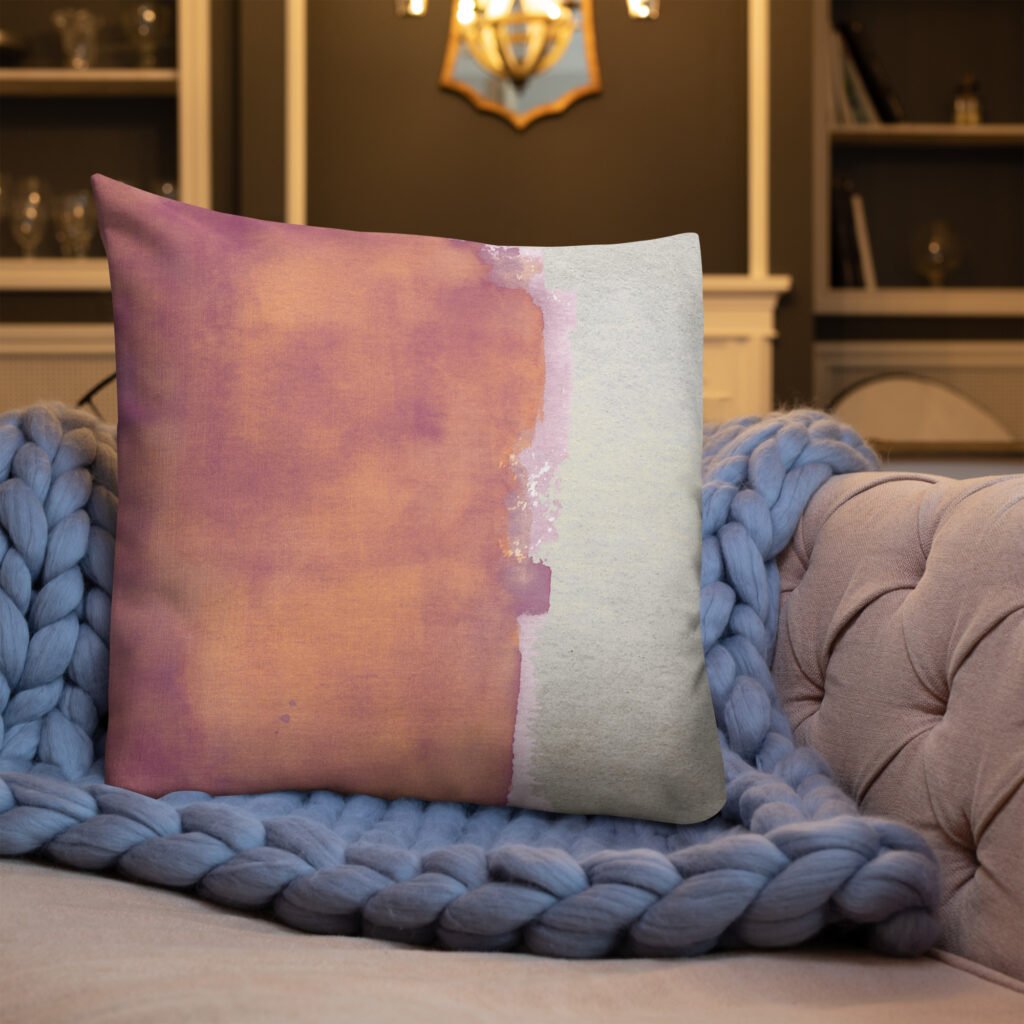
Linen and cotton align with Japanese minimalism and the concept of shizen (naturalness). Linen’s natural slubs and airy quality create visual interest through texture rather than pattern, making it perfect for layering. It softens over time, developing character that embodies wabi-sabi. Cotton’s versatility offers both structure and softness—crisp cotton for clean lines or brushed cotton for cozy warmth.
Velvet adds luxury and depth without sacrificing refinement. Choose muted velvet tones—dusty rose, sage green, charcoal—to maintain the refined restraint central to Japanese aesthetics while introducing tactile richness. Velvet catches light beautifully, adding dimension as the day progresses.
Wool and boucle bring warmth and organic texture. These materials have an honest, handcrafted quality that resonates with East-Asian appreciation for natural fibers and artisanal craftsmanship.
Silk and satin offer subtle sheen for special accent pieces. Use sparingly—perhaps one silk pillow among cotton and linen ones—to create a focal point that honors the Japanese principle of restraint.
Mix textures to engage multiple senses—a practice valued in traditional East-Asian interiors where touch matters as much as sight. Pair smooth with nubby, matte with lustrous, structured with relaxed.
5. Arrange Using the Rule of Three
Group pillows in threes for instant visual harmony. This principle appears across East-Asian design, where odd numbers create dynamic balance that feels more natural and engaging than even-numbered symmetry.
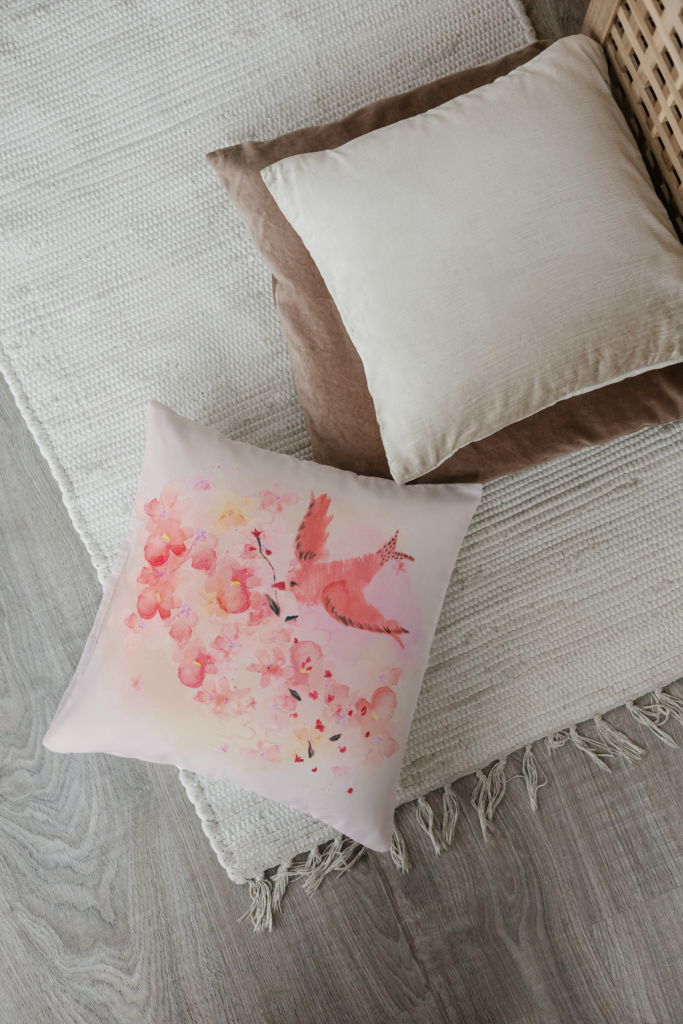
Try these arrangements:
The Classic Triangle: One large square throw pillow (22″ or 24″) in the back corner, flanked by two smaller rectangular ones (12″ x 20″) in front. This creates depth and allows each pillow’s texture and color to shine while maintaining shibui—the Japanese ideal of subtle, understated beauty.
The Asymmetric Cluster: Three pillows layered on one side of the sofa in descending sizes. Start with a 24″ square, add an 18″ square in front and slightly to the side, then finish with a 16″ round or lumbar pillow. This arrangement feels casual and inviting while still honoring design principles.
The Balanced Five: For longer sofas, use five pillows: two matching large squares at each end (foundation pillows), two coordinating medium pillows inside those, and one accent pillow in the center. This creates symmetry while the odd number keeps it dynamic.
Thematic Groupings: Create sets in earthy tones reflecting Japanese nature-inspired design—think moss green, stone grey, and warm sand. The colors themselves become the unifying element.
Remember that negative space matters. Don’t overcrowd your sofa—leave room for people to actually sit comfortably. The pillows should invite relaxation, not create an obstacle course.
Foundation vs. Accent Pillows
Understanding this distinction is key to creating a cohesive, professional-looking arrangement.
Foundation pillows are larger cushions (typically 20″ to 24″ square) that ground your sofa and provide the bulk of comfort. They usually feature solid colors, subtle textures, or minimal patterns that recede into the background. Think of them as the supporting cast—essential but not attention-seeking. They embody kanso (simplicity) and create a stable base for more expressive pieces. Place these at the back or ends of your sofa.
Accent pillows are smaller, decorative pieces (12″ to 18″) that inject personality and visual interest. They’re your opportunity to experiment with bold colors, artistic prints, or luxurious materials like velvet or silk. These pillows serve as focal points, much like how Japanese design uses intentional accents—a single red element, an ikebana arrangement—to draw the eye and create moments of delight.
The ideal ratio is roughly 60-70% foundation pillows to 30-40% accent pillows. This ensures your sofa remains functional and balanced while still expressing your style.
Practical application: On a standard three-seat sofa, you might use three large solid or subtly textured foundation throw pillows (two at the ends, one in the middle back), plus two smaller accent pillows in front with bolder patterns or colors. This creates layers and visual interest without overwhelming the space.
AiMEiRi offers both foundation pieces rooted in minimalist elegance and accent pillows with artistic details—creating balanced compositions that feel both serene and expressive. Mix them thoughtfully to achieve harmony.
Seasonal Updates
Refresh your sofa with the seasons—a practice inspired by Japanese tradition, where changing elements with nature’s cycles keeps the home feeling alive and connected to the world outside.
Spring: Light pastels and botanical prints capture renewal and growth. Think cherry blossom pinks, fresh greens, and soft yellows. Swap heavier winter velvets for breezy linens and cottons. Floral patterns and nature-inspired designs bring the awakening garden indoors.
Summer: Vibrant colors and tropical patterns bring energy and lightness. Embrace crisp whites, ocean blues, coral accents, and sunny yellows. Consider lightweight fabrics that feel cool to the touch. Geometric patterns in bright hues or seaside-inspired motifs create an airy, vacation-like atmosphere.
Autumn: Rich earth tones and textured velvets evoke warmth and coziness as temperatures drop. Introduce rust, burgundy, mustard, and deep forest green. Transition to heavier fabrics like wool or chunky knits. Patterns featuring leaves, acorns, or abstract autumnal designs enhance the seasonal mood.
Winter: Deep shades and plush fabrics create sanctuary from the cold. Layer luxurious textures—faux fur, thick velvet, cable knit. Choose colors like charcoal, deep navy, wine, or winter white. Subtle metallic accents in gold or silver add festive warmth without overwhelming the space.
You don’t need to replace all your throw pillows each season. Instead, swap out 2-3 accent pillows while keeping your foundation pillows year-round. This approach is economical and honors the Japanese value of resourcefulness.
AiMEiRi offers both throw pillows with inserts and pillow case covers helping you honor the changing year and reflecting the Japanese value of living in harmony with nature’s rhythms while maintaining an underlying aesthetic consistency.
Define Your Personal Style
Your throw pillows should reflect you—your experiences, preferences, and the life you live in your space.
Consider your aesthetic preferences honestly. Do you lean toward modern minimalism with its clean lines and neutral palette? Or do you appreciate traditional details like embroidery and rich patterns? Perhaps you’re drawn to eclectic combinations that tell a more complex story. There’s no wrong answer, only what feels authentic to you.
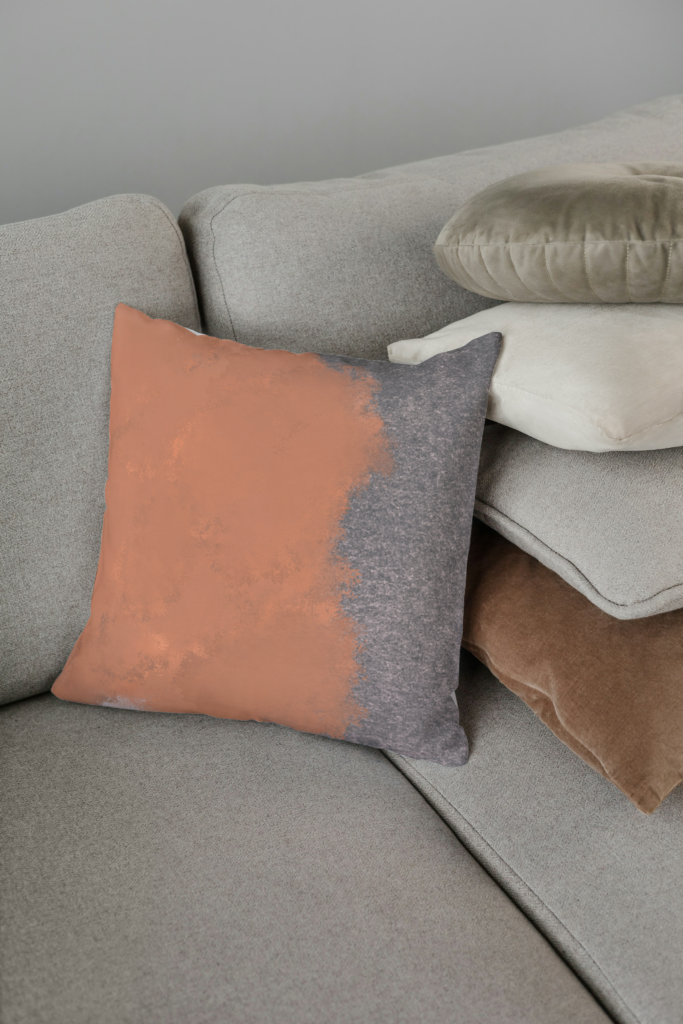
Assess your lifestyle needs. If you have kids or pets, durable, washable fabrics like cotton or performance linen make sense. If your sofa is primarily for display in a formal living room, you can indulge in delicate silks or pristine white velvets. Match your choices to reality, not aspirations.
Draw from personal meaning. Choose patterns and colors that resonate with your experiences. A botanical print might evoke memories of your grandmother’s garden. A geometric pattern could reflect your love for contemporary art. An indigo-dyed pillow might honor a meaningful trip to Japan. These connections make your space feel genuinely yours rather than decorated from a catalog.
Let your collection evolve. You don’t need to get everything perfect at once. Start with quality foundation pieces, then add accent pillows over time as you discover what you love. This organic approach often yields better results than buying a complete set all at once.
AiMEiRi’s versatile designs work across styles while maintaining the refined simplicity of East-Asian design philosophy. Browse with your instincts, not just your eyes—choose pieces that create an emotional response, that make you want to sink into your sofa and stay awhile.
Creating Your Sanctuary
The right throw pillows transform your sofa from a piece of furniture into a personal oasis—a place where comfort meets beauty, where function supports form.
Small elements create profound impact. A well-chosen pillow catches afternoon light, invites you to curl up with a book, or provides the perfect pop of color that makes the whole room click into place. These seemingly minor decisions compound into an atmosphere that either energizes or soothes, welcomes or impresses.
Trust the process. If you’ve followed these principles—matching your sofa’s style, building a cohesive color palette, mixing patterns purposefully, considering texture thoughtfully, and arranging with intention—you’re already ahead of most interior design challenges. But remember that rules exist to be understood, then adapted to your unique situation.
Start small, think holistically. Begin with 3-5 pillows rather than a dozen. Live with your choices for a week or two. Notice how the light changes throughout the day, how the colors interact, how the textures feel. Adjust from there. Design is iterative, not instantaneous.
AiMEiRi’s curated collection embodies Japanese design principles: subtle sophistication, natural beauty, and the belief that less, done well, is more. From minimalist pieces that whisper rather than shout to statement designs that command attention with quiet confidence, each pillow honors the balance between simplicity and artistry.
Choose pillows that speak to you. Create arrangements that invite relaxation. Build a space that reflects both timeless East-Asian wisdom and your unique vision for home. Your sofa is waiting to become the sanctuary you deserve.